Speaker for June Meeting Postponed Due to Volcano

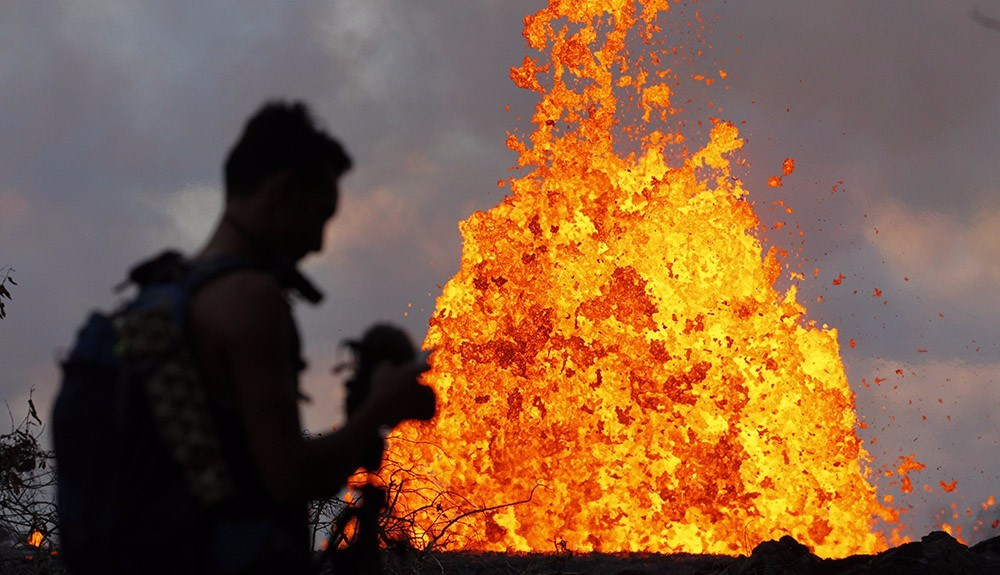
Madam Pele

How often do you get to write that headline?
IMG_9835_0
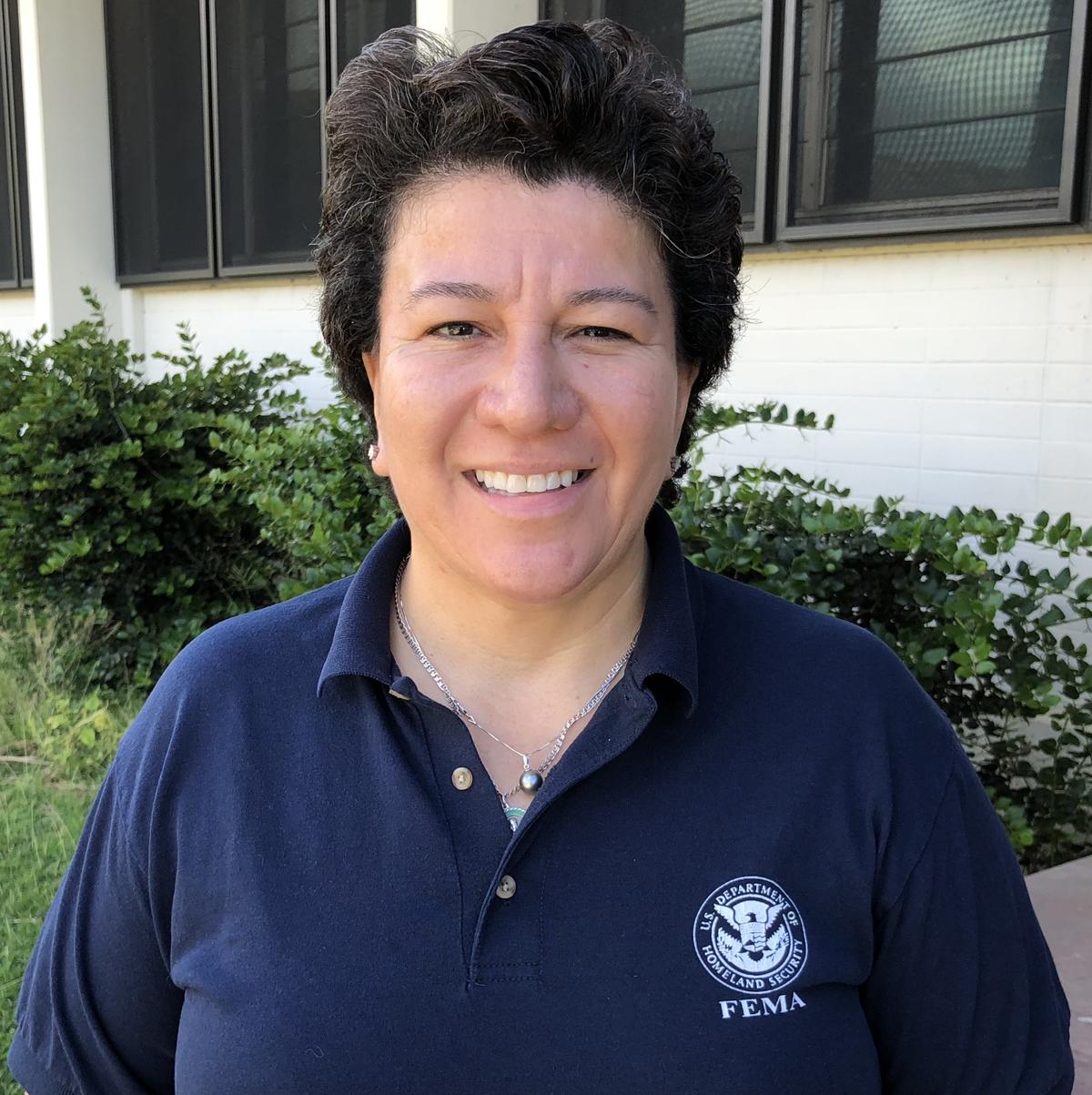
Veronica Verde

The speaker at our June 6 meeting was scheduled to be Veronica Verde, External Affairs Officer for FEMA Region 9. Ms. Verde travelled to Hawai’i to deal with a record-breaking flooding event in April. And now, thanks to the eruption of Kilauea, her assignment has been extended. We look forward to talking with Ms. Verde at some future point after the wrath of Madam Pele has subsided.

In the meantime, we will use our June meeting to discuss Field Day (June 23-24) and other upcoming activities. We will return to our traditional meeting location at the SPFD Emergency Operations Center, 817 Mound Avenue, at 7:30pm. See you there.

Lava photo by George F. Lee for the Honolulu Star-Advertiser. Veronica Verde photo by Wayne Yoshioka for Hawai’i Public Radio.
Community Turns Out for Earthquake Presentation

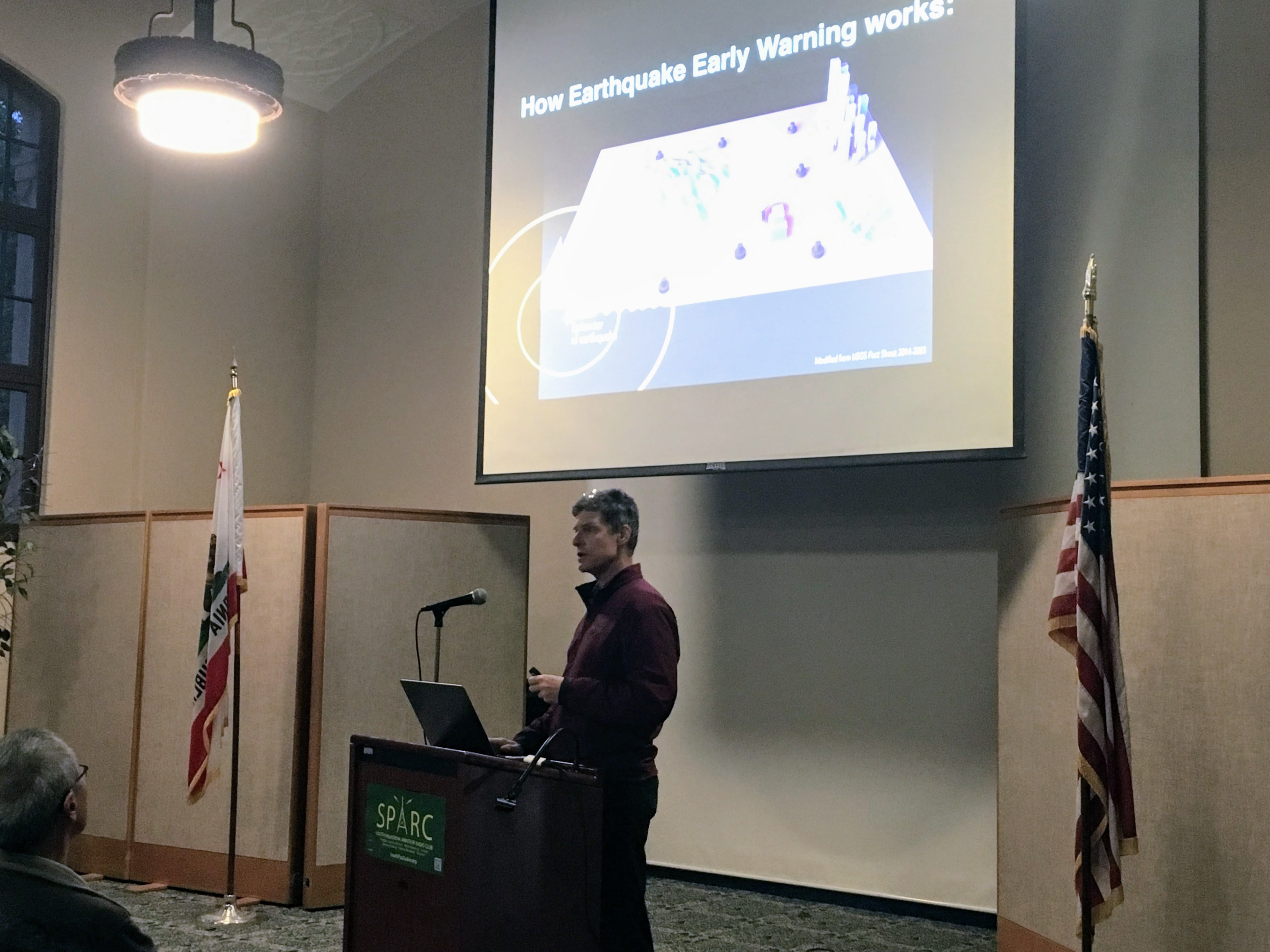
Just under seventy people attended our monthly meeting on May 2 and heard a presentation by Dr. John Vidale, director of the Southern California Earthquake Center. Dr. Vidale explained the science of earthquake detection and the mechanics of ShakeAlert, the west coast’s early-warning system. ShakeAlert is a network of thousands of sensors constantly monitoring ground motion. It is already operational although its organizers would like to see it expanded as soon as funding is available. The system was in the news six days after our meeting thanks to a quake in the Gorgonio Knot area north of Cabazon. Rong-Gong Lin II reported in the LA Times that USGS scientists in Pasadena — about 80 miles from the epicenter — received twenty-six seconds of warning before the shaking arrived. (For more on the Gorgonio Knot earthquake, click here.)

SPARC extends its thanks to Dr. Vidale for his time and to all the guests who asked such interesting and engaging questions!

Special Meeting May 2nd on the Earthquake Early Warning System

Please join us on Wednesday, May 2 at 7:30pm for a special presentation by John Vidale, director of the Southern California Earthquake Center at USC. He will discuss the capabilities of the Earthquake Early Warning System, what it can and cannot do. Anticipating a larger-than-usual crowd, our meeting will be in the South Pasadena Library Community Room at 1115 El Centro St. rather than our normal location at the fire department.

John Vidale has been a professor at USC and director of the Southern California Earthquake Center since 2017. He earned his PhD from Caltech, worked for UC Santa Cruz and the USGS in Menlo Park, then taught at UCLA for a decade. Prior to taking his current position, he was a Professor at the University of Washington, Director of the Pacific Northwest Seismic Network, and the Washington State Seismologist.

We hope to see you at the library for this exciting opportunity to hear from one of our region’s top seismic experts. (Community Room photo via SouthPasadenan.com)

April Meeting Recap: Digital Modes and Baker to Vegas

We had a full house at tonight’s monthly SPARC meeting, which featured two informative presentations.

Tim's presentation
Understanding digital radio

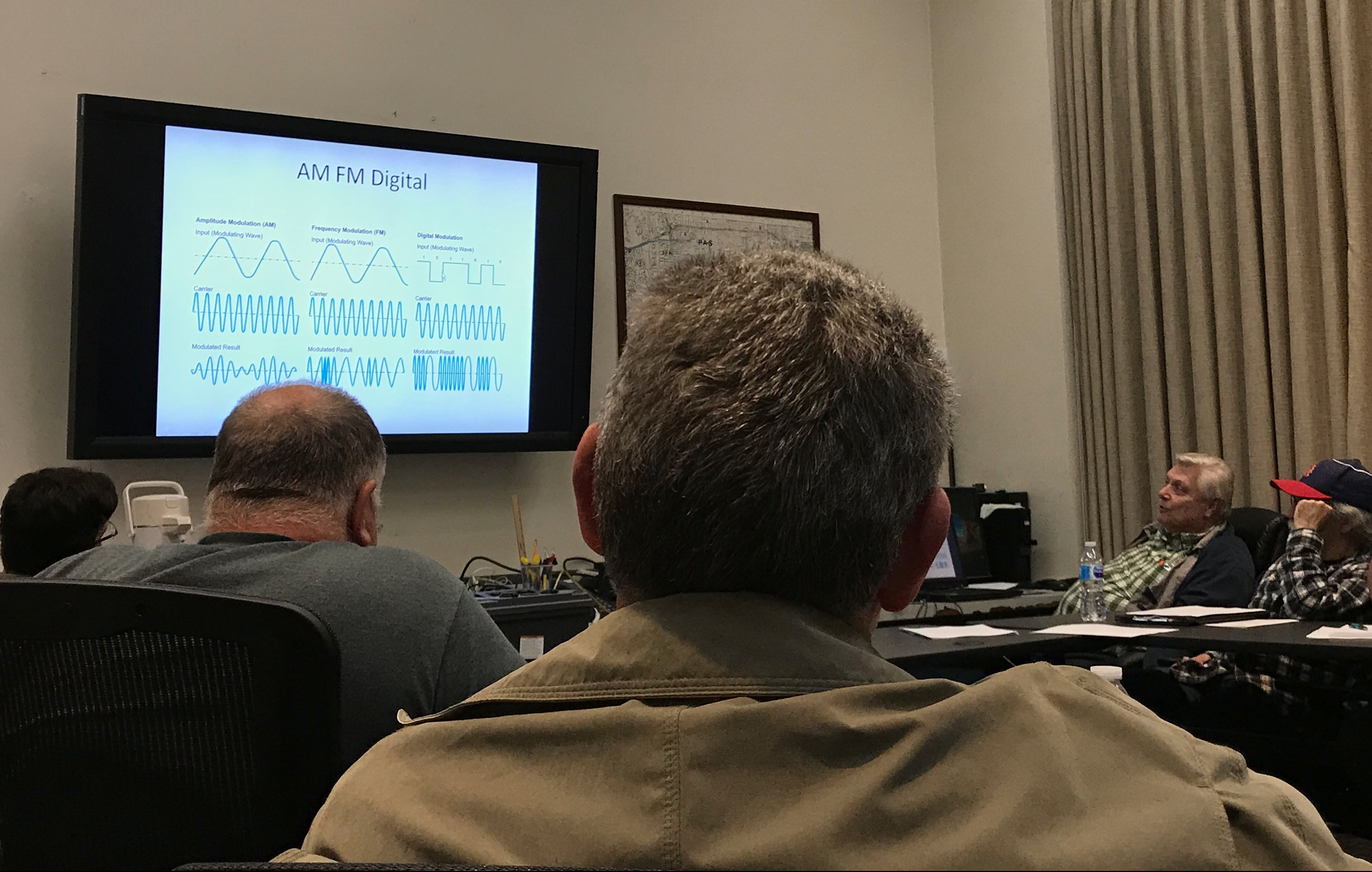
Tim WA0PTC explained the pros and cons of the three major digital radio modes: D-STAR, C4FM/Fusion and DMR. Eric K6EJC added that, based on the volume of business he sees at Ham Radio Outlet, DMR growth has soared in the past two years. Bob WB6YJJ and Rick KI6ZKM demonstrated the vocal clarity of Fusion using their handhelds.

IMG_1341.jpg
How hams help B2V run smoothly

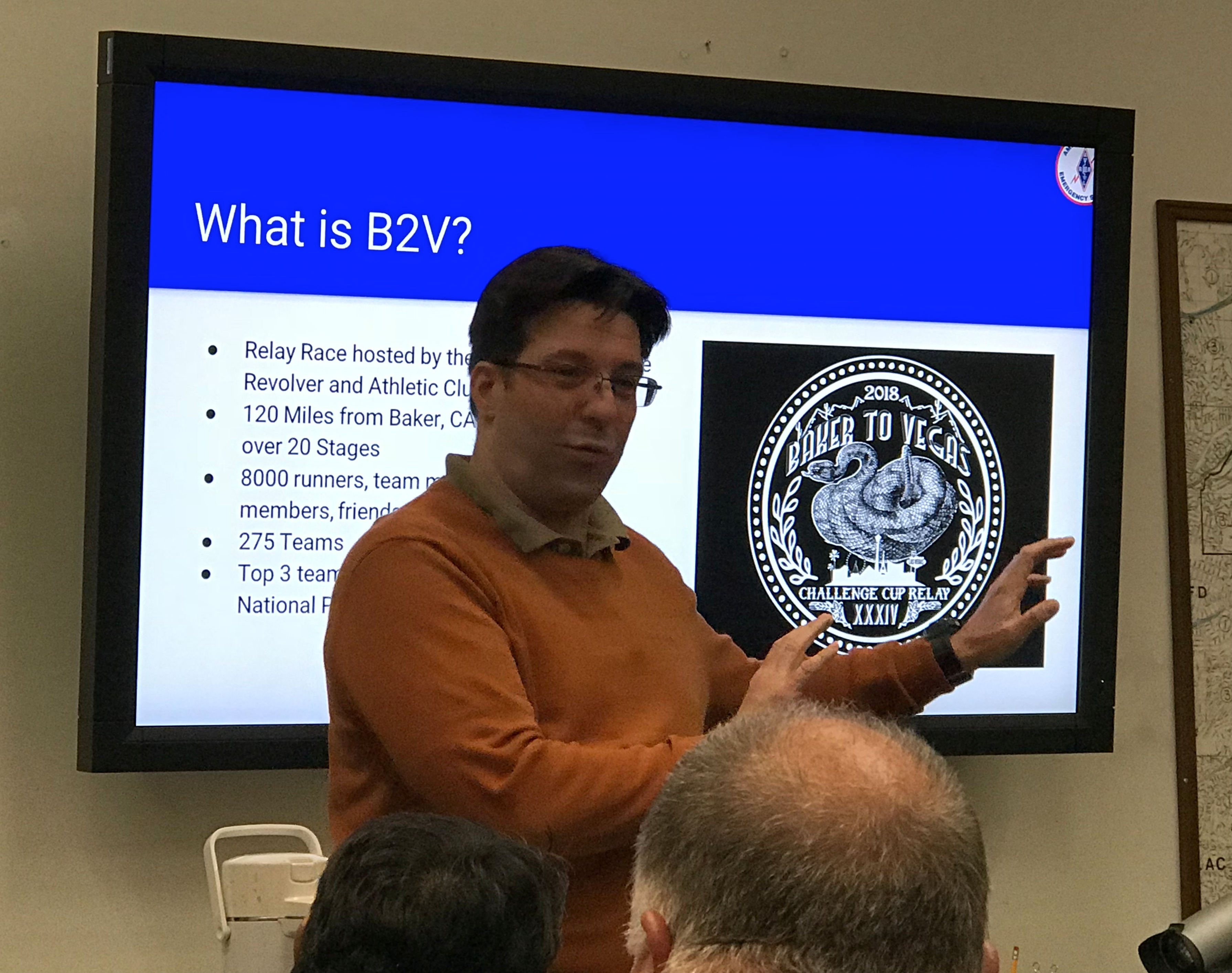
Oliver K6OLI reported on his service as a volunteer at the annual Baker to Vegas relay race — as he put it, “a near Death Valley experience.” With no cell service for huge stretches of the race, amateur radio is vital to the safety of over 8,000 runners, guests, family members and support staff.

AREDN mesh kit
Example mesh deployment

B2V also presented an opportunity to test mesh networking capabilities. Thanks to a portable Verizon satellite link, Oliver and his team were able to connect their laptops and VoIP phones to the regional mesh networks in Altadena, Pasadena and Sierra Madre. This has exciting implications for the future of emergency communications since mesh go kits are fairly inexpensive and extremely portable.

Our May 2 meeting is scheduled to feature John Vidale, Director of the Southern California Earthquake Center. On June 6 our guest will be an administrator from our local FEMA district. Hope to see you there — any changes will be posted on SouthPasRadio.org. 73!

Getting Ready to Build a 2m J-Pole

Allen Wolff, KC7O
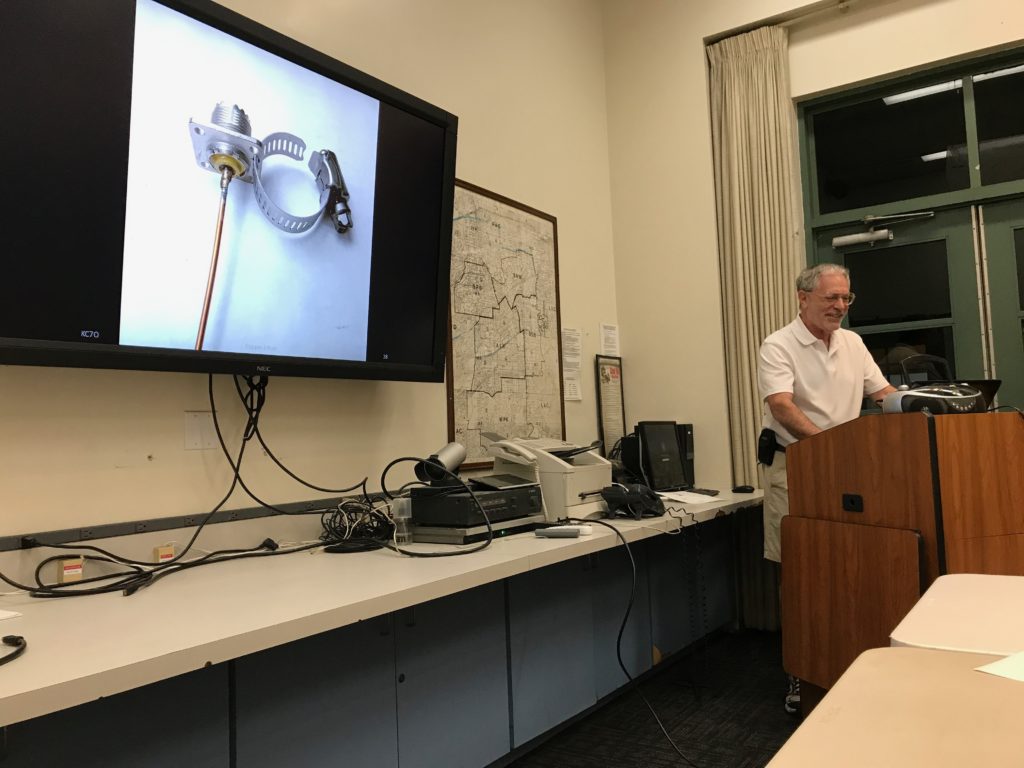
Allen Wolff, KC7O explains his antenna connector clip on September 6, 2017.

Our thanks to Allen Wolff, KC7O for once again sharing his expertise with SPARC. At our September 6 meeting, Allen spoke about building a 2m J-Pole antenna. He explained the pros and cons of various plans available on the Internet and how he settled on a design that balances performance with simplicity.  We also had a quick refresher on soldering, an essential skill for antenna building. Allen will lend us his story sticks — boards marked to show the proper lengths of copper pipe in the antenna design — when we hold a club build later this year.

If you are interested in building a J-Pole for 2m operation, contact us before September 29. We plan to have a group build over two sessions in October. As Allen discussed, making your own antenna from scratch is a great way to learn about radio physics — and you get a shiny “copper cactus” to show off.

How to Solder with Allen KC7O

SPARC thanks Allen Wolff, KC7O for the entertaining and informative presentation on soldering that he delivered at our June 7 meeting. Allen has over forty-five years of experience in aerospace manufacturing operations and quality management. He has worked on the Apollo lander, military communications, missile guidance systems, spacecraft deployment, satellites, and Radio Frequency Identification (RFID) systems.

Due to copyright issues, we can’t distribute Allen’s slides, but below is a list of references Allen consulted while creating his presentation.  Use these links to brush up on your soldering skills now as we prepare for our next club activity, creating an antenna for use in a radio “go box.” As Bob, WB6YJJ said in his recent club email, “Antenna connectors are tricky to solder, so come and learn the CORRECT way from an expert.”

Wikipedia on soldering
Crimping vs. Soldering
Instructables on soldering tips and tricks
Hakko brand wick
Science Buddies primer
Adafruit guide to common solder problems
Death by “tin whiskers”