Unfortunately, the EOC room at the South Pasadena Fire Department is still under construction. The SPARC board has therefore decided to officially cancel our regular meeting tomorrow, Wednesday December 5.
Unofficially some of us are getting together tomorrow at Canoe House to talk radios, reminisce about the many fun events we have had in 2018 and enjoy each other’s company. You are welcome to join us at Canoe House ( goo.gl/maps/DxfQWuetdRo ) from 19:30 onwards!
73,
Stan KR6CV President and the executive board of SPARC
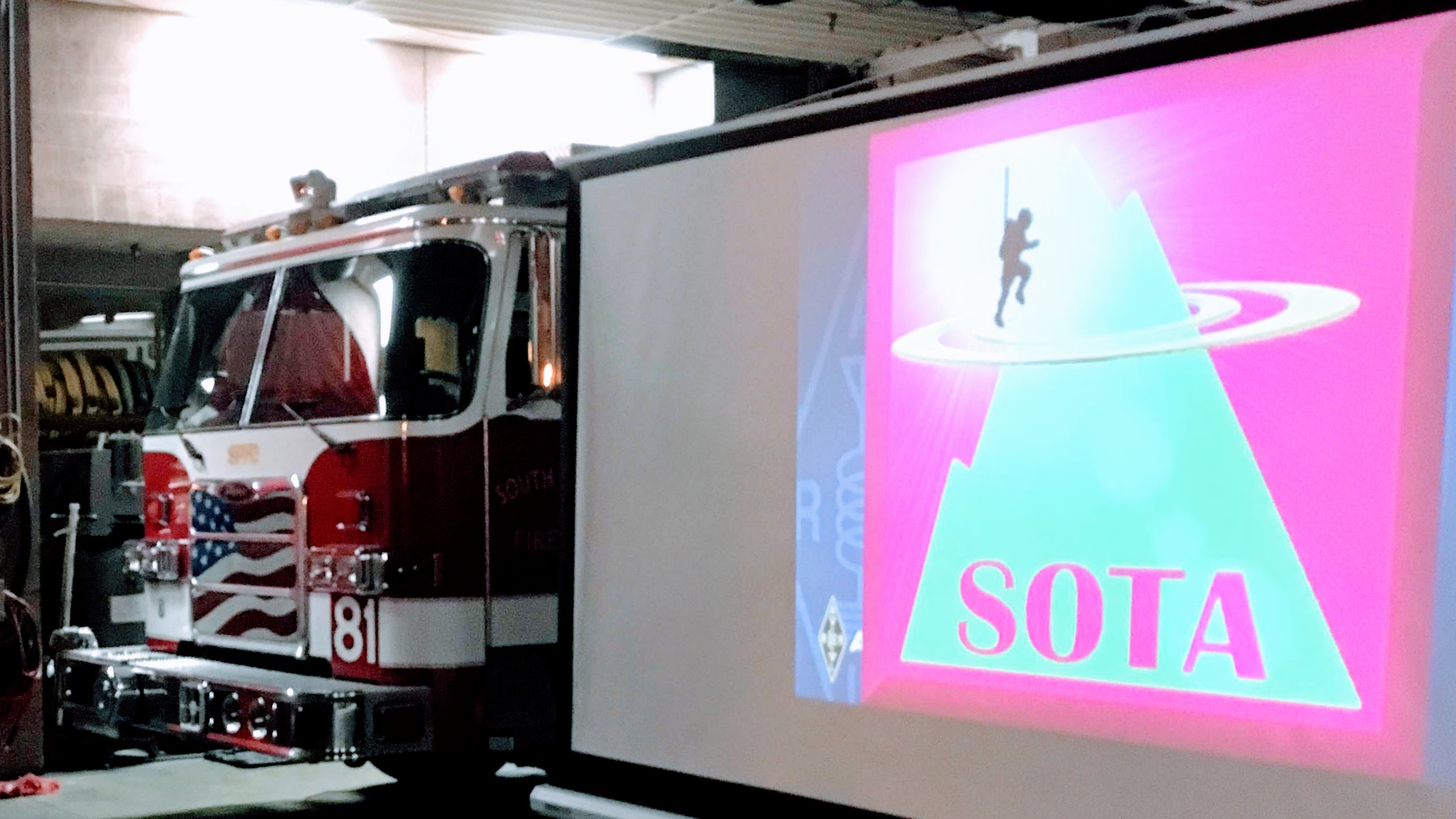
SPARC thanks Scott Hanley WA9STI for his informative presentation on SOTA at our November meeting. Robert K6YZF recorded the talk, and John KK6ZVQ edited it. We’re posting it here with Scott’s permission. Below the video are links to some of the sites and resources Scott mentioned. We hope this inspires you to get out and operate from the great outdoors!
One of the fastest-growing areas of ham radio is mesh networking. You can think of it as homebrew WiFi — using the amateur radio spectrum to create a WiFi network without relying on the normal Internet infrastructure of phone and cable companies. Several SPARC members are active in a regional effort to build a robust mesh network that can transmit data when the Internet isn’t available during an emergency. (It also comes in handy out in the Nevada desert.)
If you’d like to know more about mesh and what it can do, two of our resident experts recommend this episode of Ham Radio Now. It features an interview with members of the AREDN group (Amateur Radio Emergency Network), the organization that maintains the mesh software of the same name. Take a look, then stop by one of our monthly meetings to talk about building your own mesh go kit.
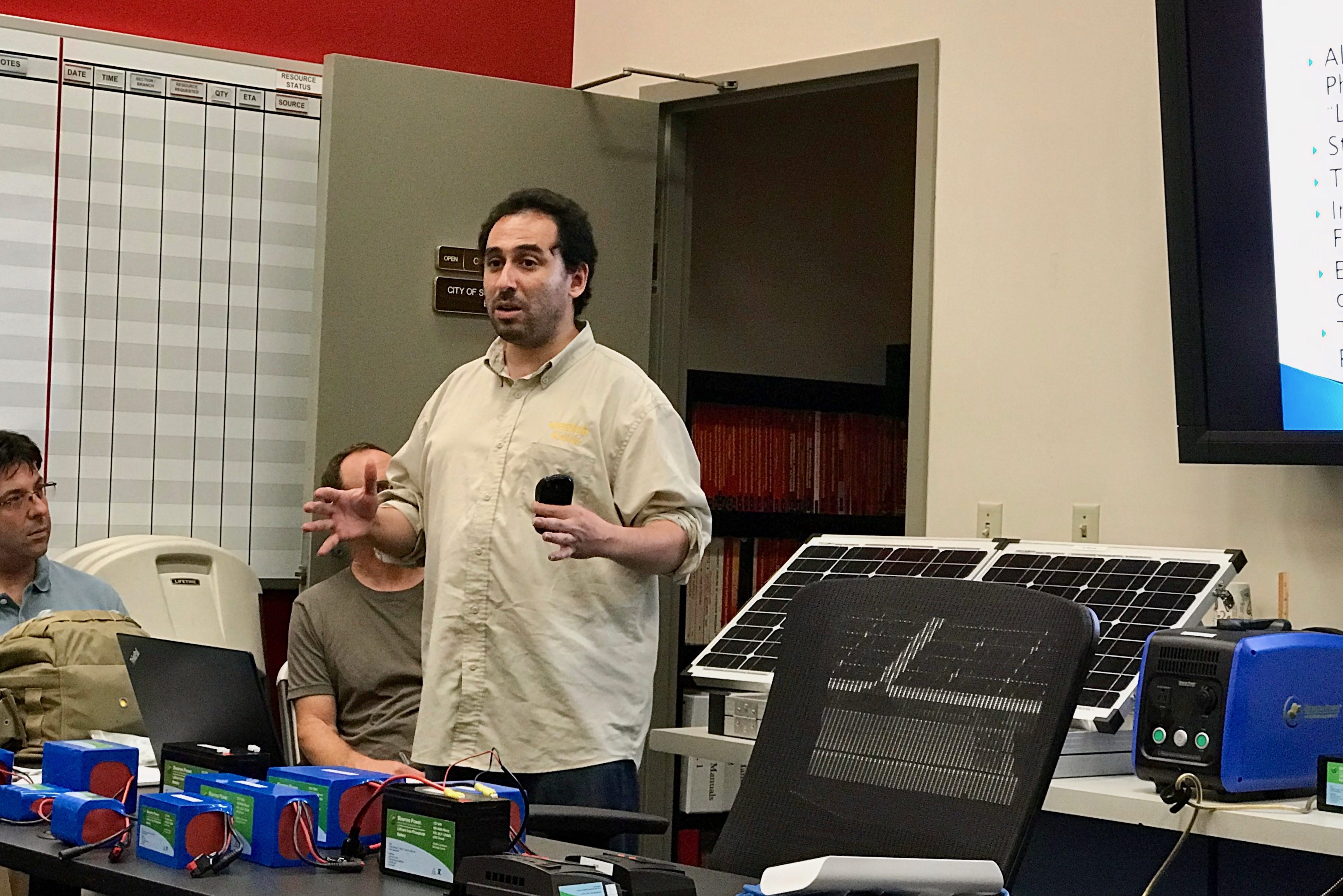
It was a full room with several first-time visitors at our monthly meeting on October 3. The draw was Kevin Zanjani, KI6DHQ, from Bioenno Power. Hams have been raving about the portability and performance of Bioenno’s lithium iron phosphate (LiFePO4) batteries for over two years now. Kevin’s presentation, “LiFePO4 Batteries for Ham Radio and Solar Applications” provided a deep dive into the science behind these much-sought-after components.
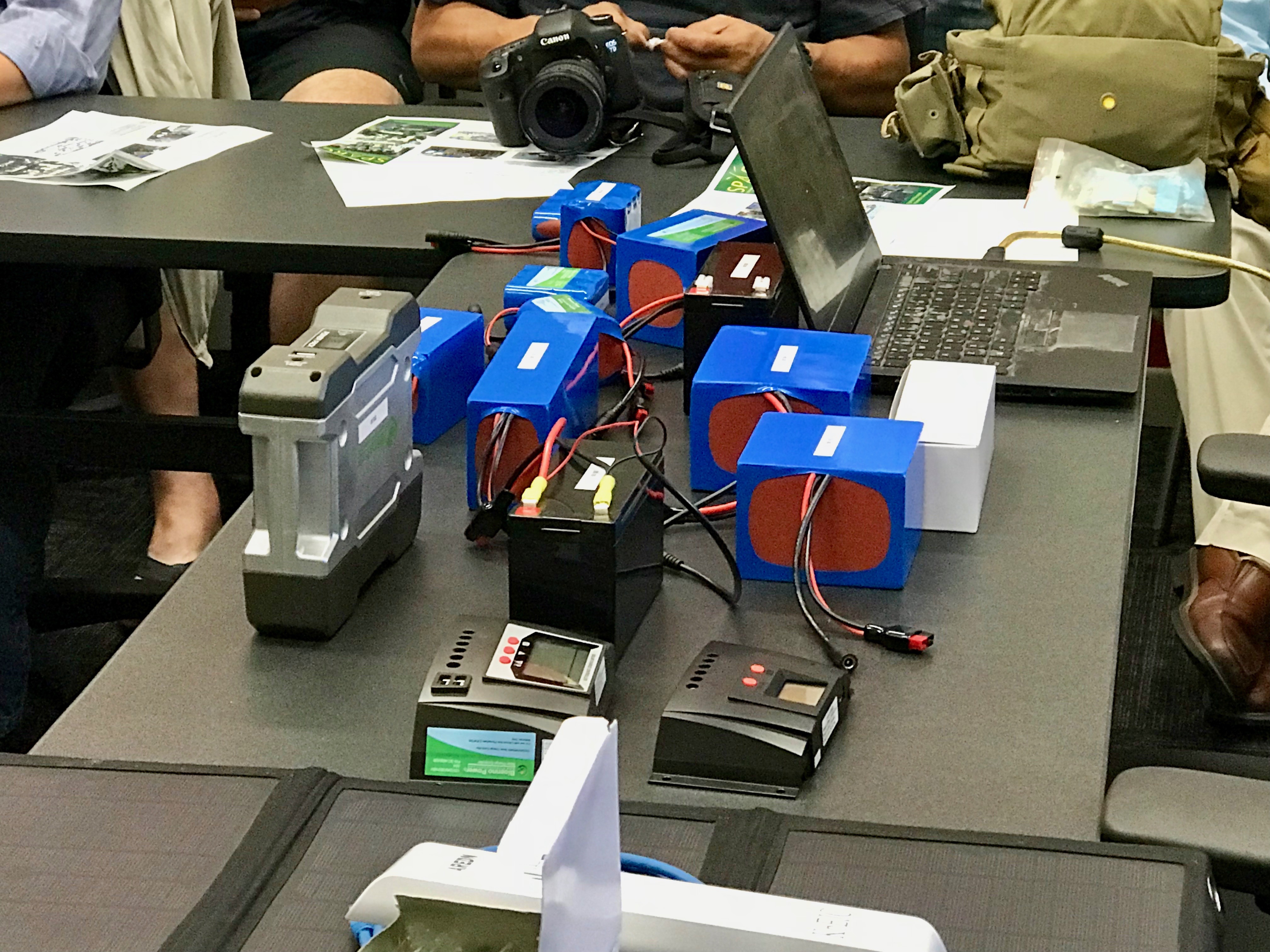
A range of batteries, a powerpack and the company’s latest solar controller.
Kevin explained several use cases for Bioenno products beyond amateur radio. Many industries and government agencies are migrating to solar power solutions and relying on LiFePO4 batteries over traditional lead acid batteries, which are less efficient and must be replaced far more frequently.
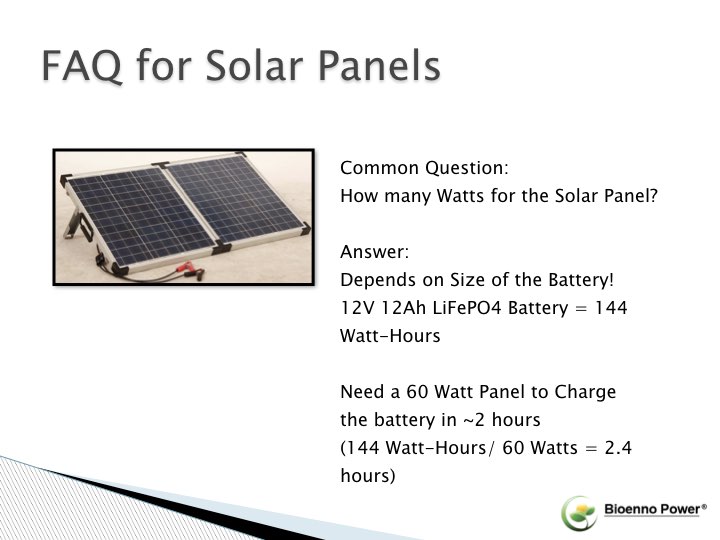
Slide from Kevin’s presentation
Kevin had a nice surprise for us — he donated a twenty amp-hour battery to our montly door prize raffle. The lucky and grateful winner was Scott, KI6SC. On behalf of SPARC, thank you, Kevin for your time and generosity!
Other News
Our next club build will be a roll-up antenna, perfect for the go kit. More details to come in early 2019.
We now have a photo-packed SPARC brochure created by Tran K6NHI. We will soon have copies to distribute at public events and license exam sessions.
The regular monthly ARES NE meeting will be held at 9am on October 13 in the Huntington Memorial Hospital’s Wingate Conference Room. Topics to be discussed include The Great Shakeout (10:18am on October 18) and the Statewide Medical and Health Exercise (November 15).
Come to our monthly meeting on October 3 to hear Bioenno Power‘s Kevin Zanjani present “LiFePO4 Batteries for Ham Radio and Solar Applications.” Bioenno batteries are a favorite in the ham community for their high performance and low weight. Several SPARC members rely on Bioenno’s lithium iron phosphate batteries to power go kits and mobile rigs.
Wednesday, October 3 at 7:30 pm
South Pasadena Fire Department
EOC Room
817 Mound Ave.
South Pasadena, CA 91030
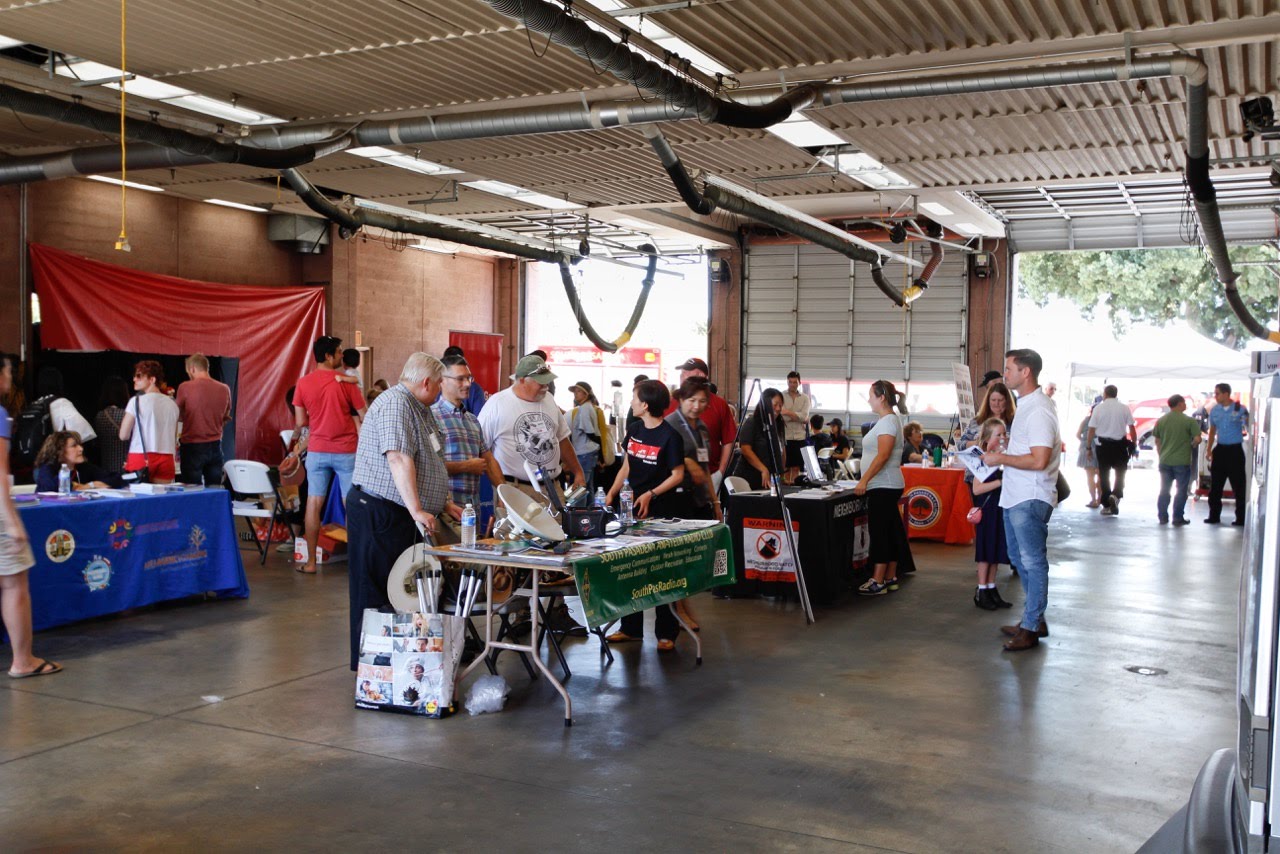
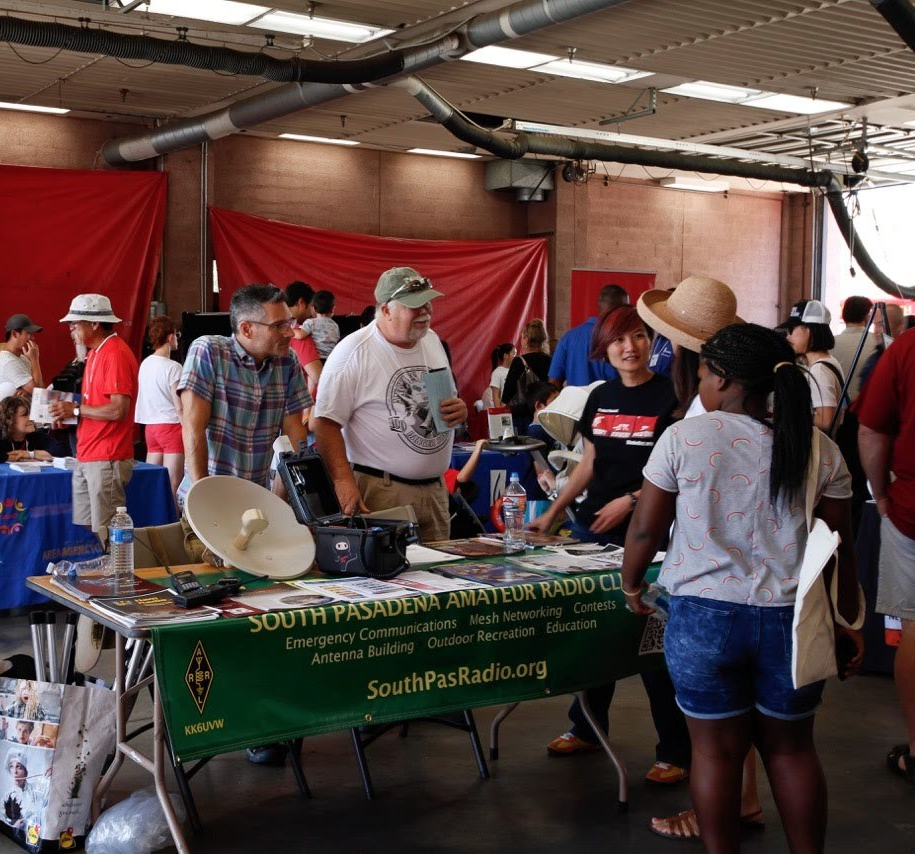
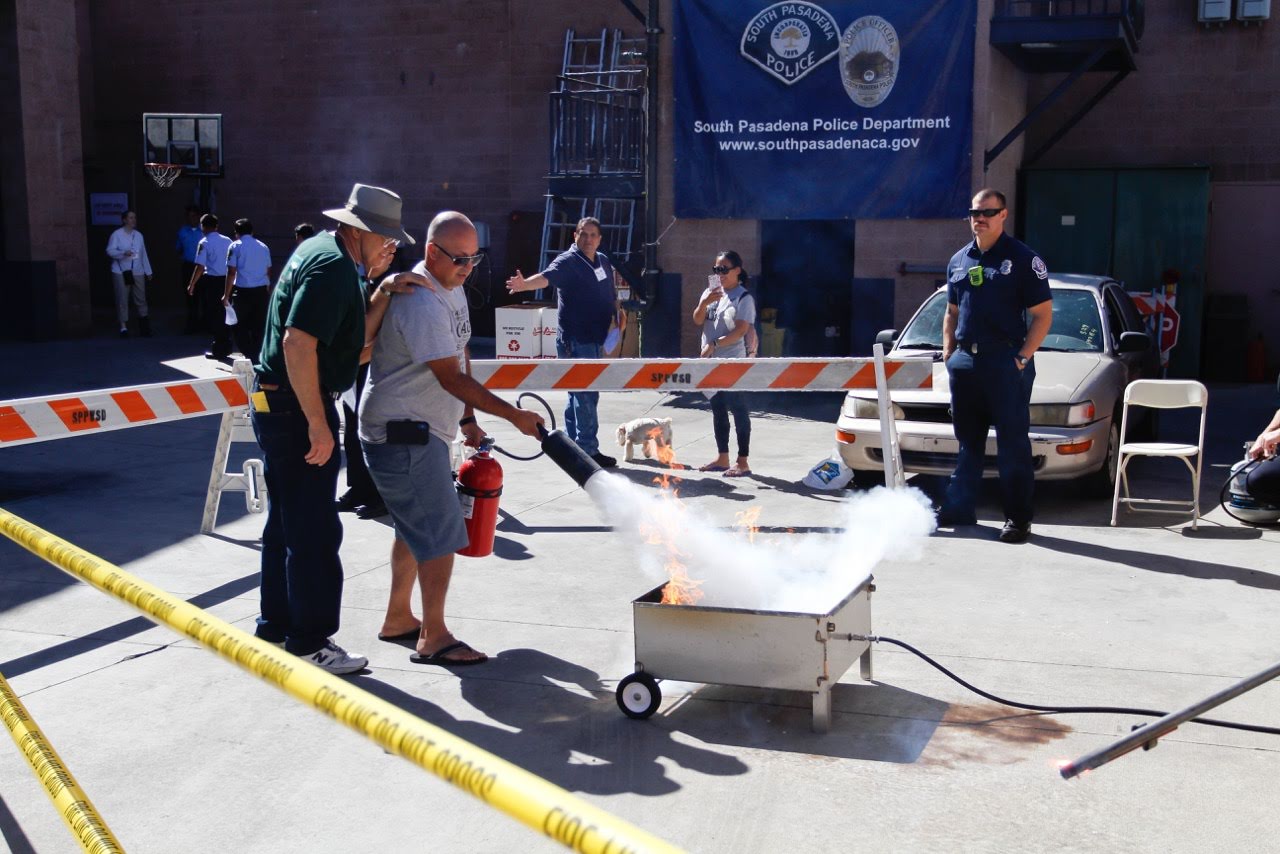
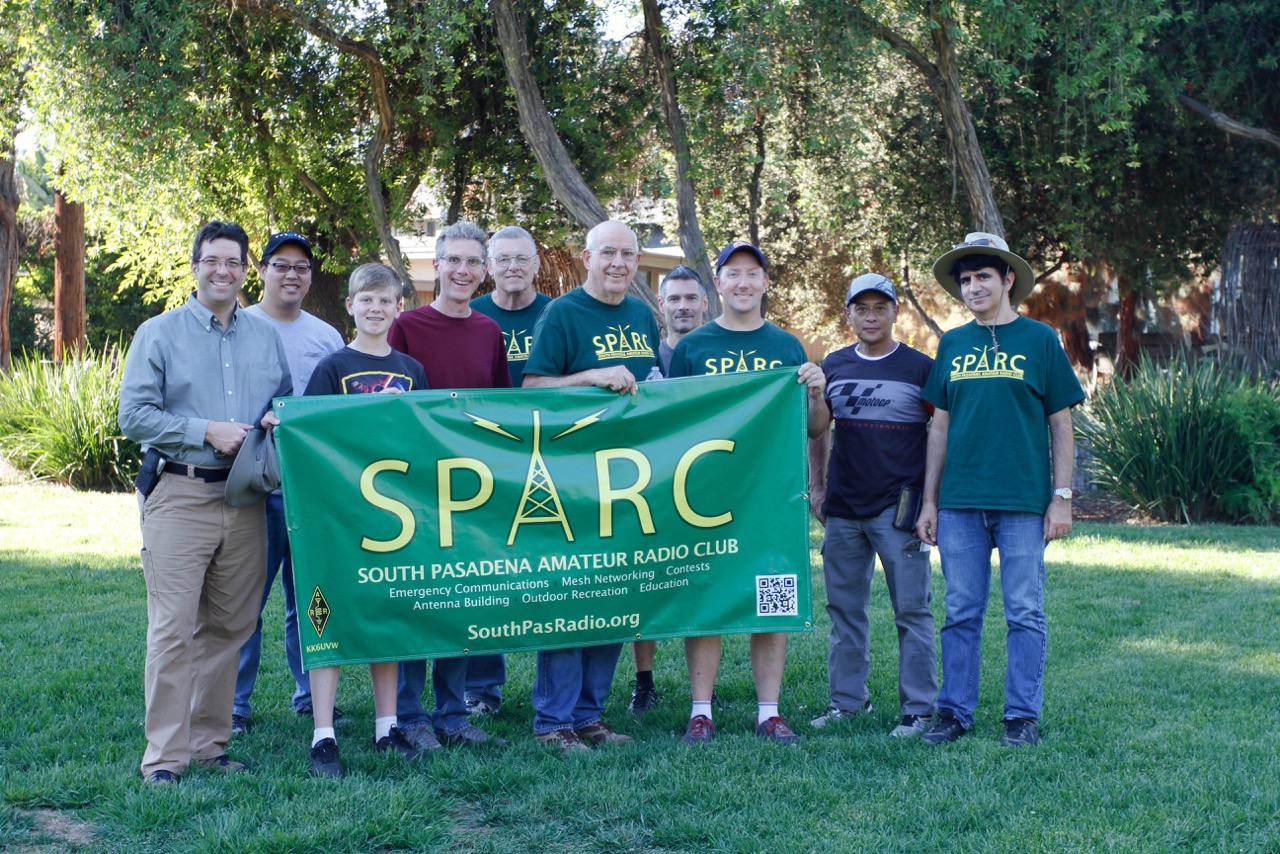
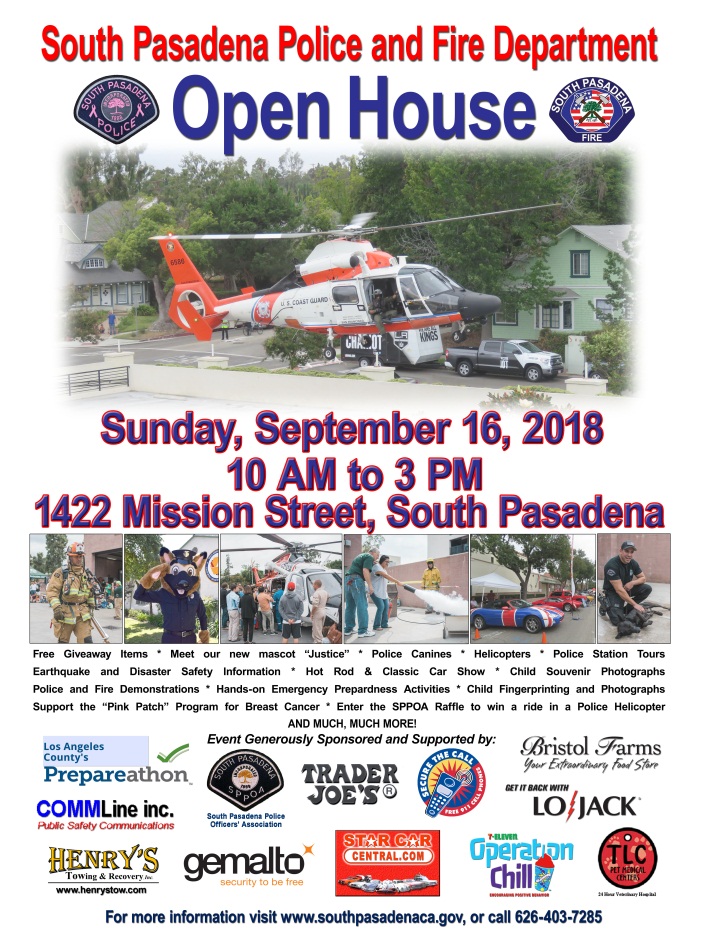
Thanks to all the SPARC members who staffed our table at the annual South Pas Public Safety Open House. And thanks as always to the police and fire departments for hosting such an informative and fun event! The following photos were taken by Robert K6YZF. The fire extinguisher training was conducted by SPARC and CERT member James K6CUT.
SPARC members at the 2018 South Pasadena Public Safety Open House
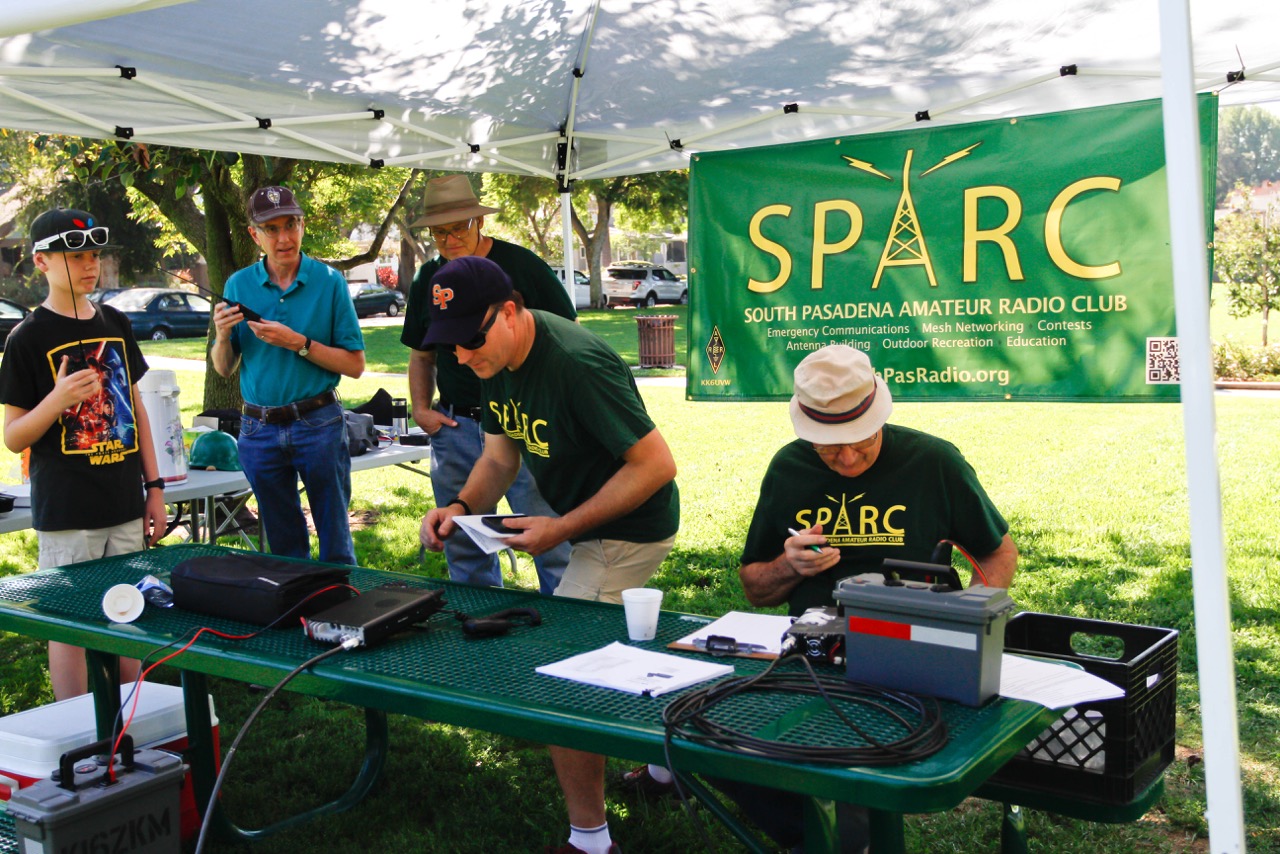
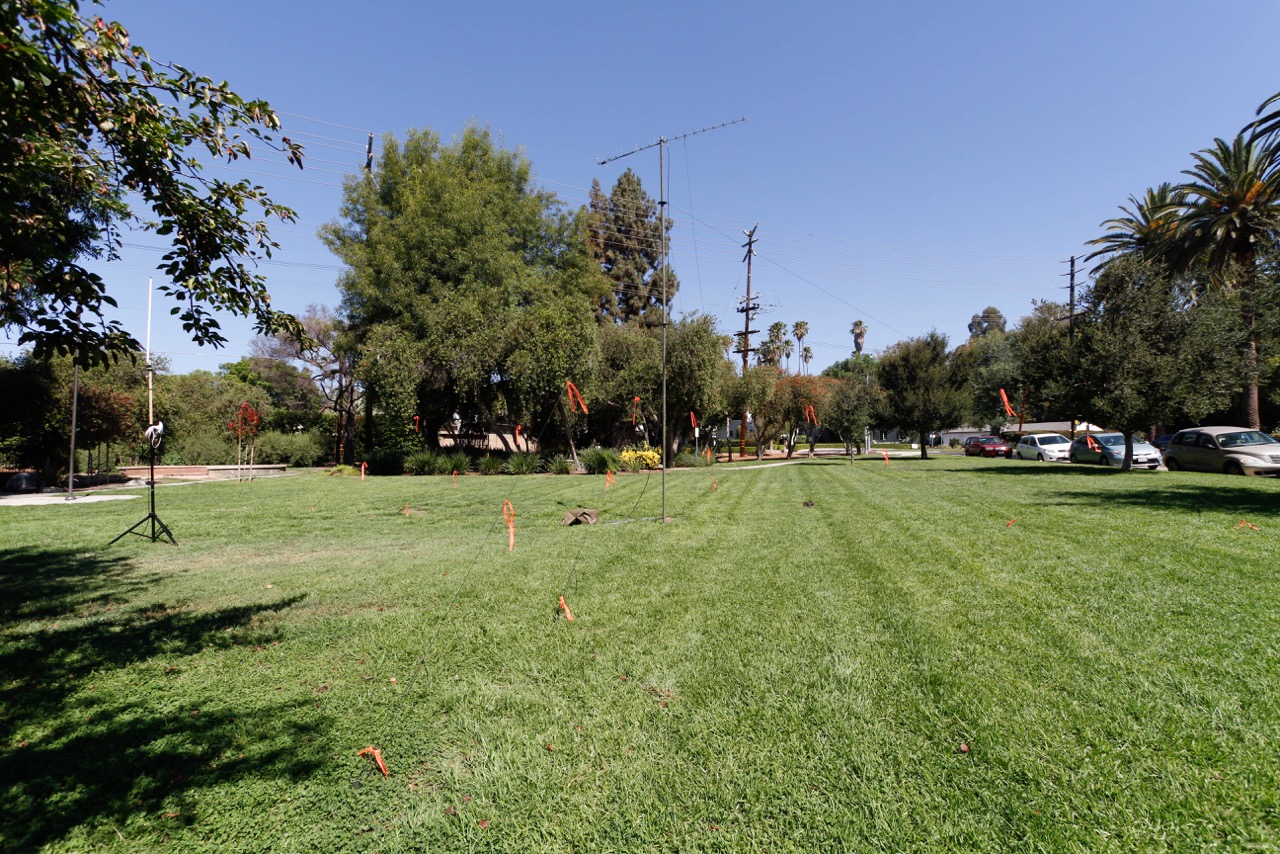
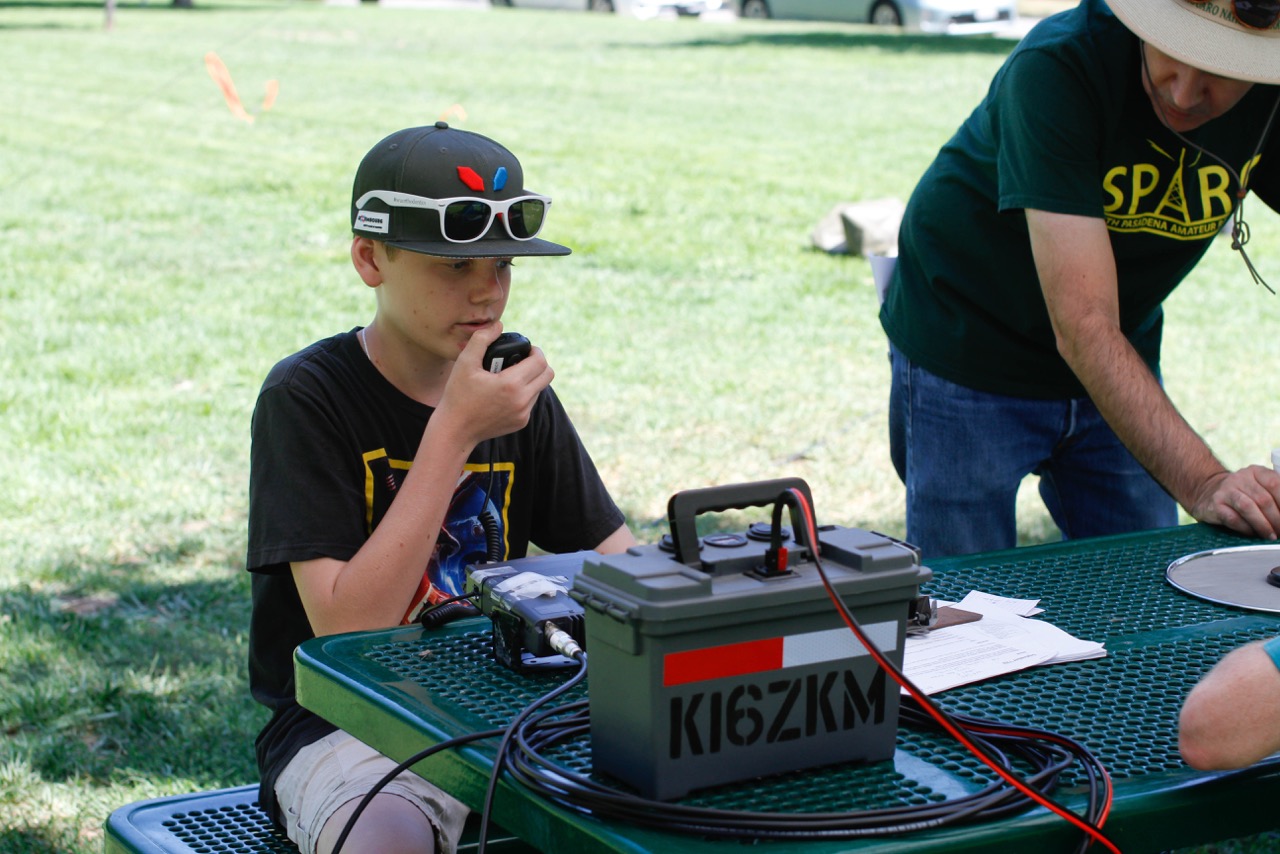
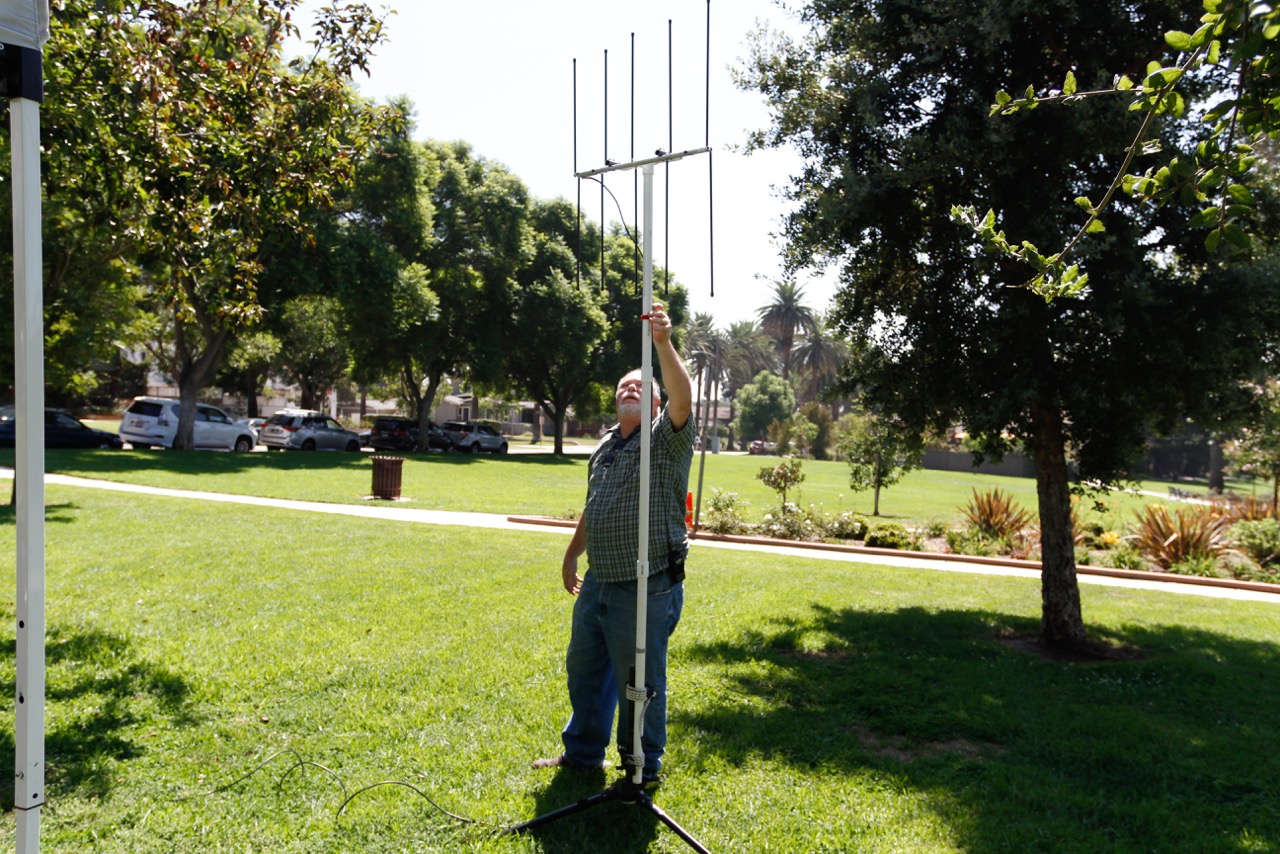
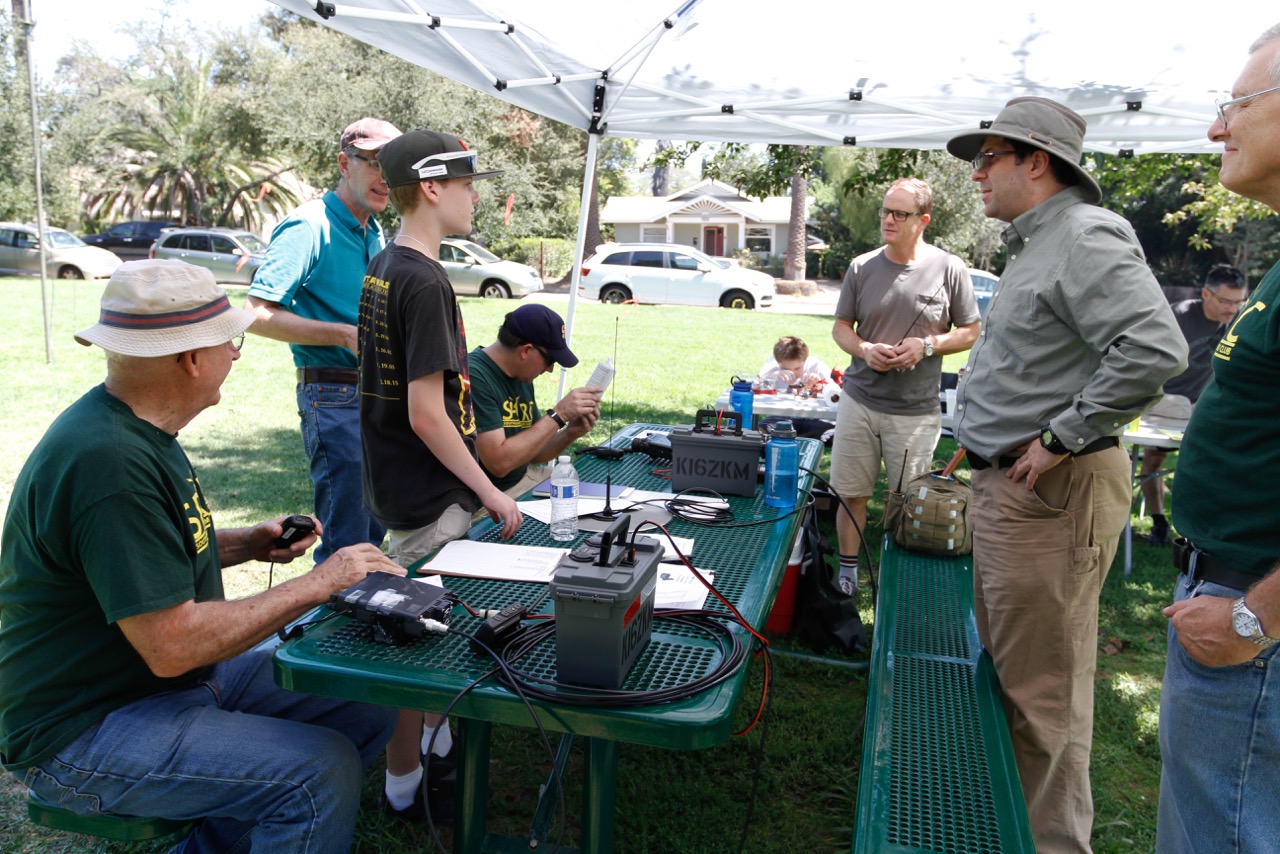
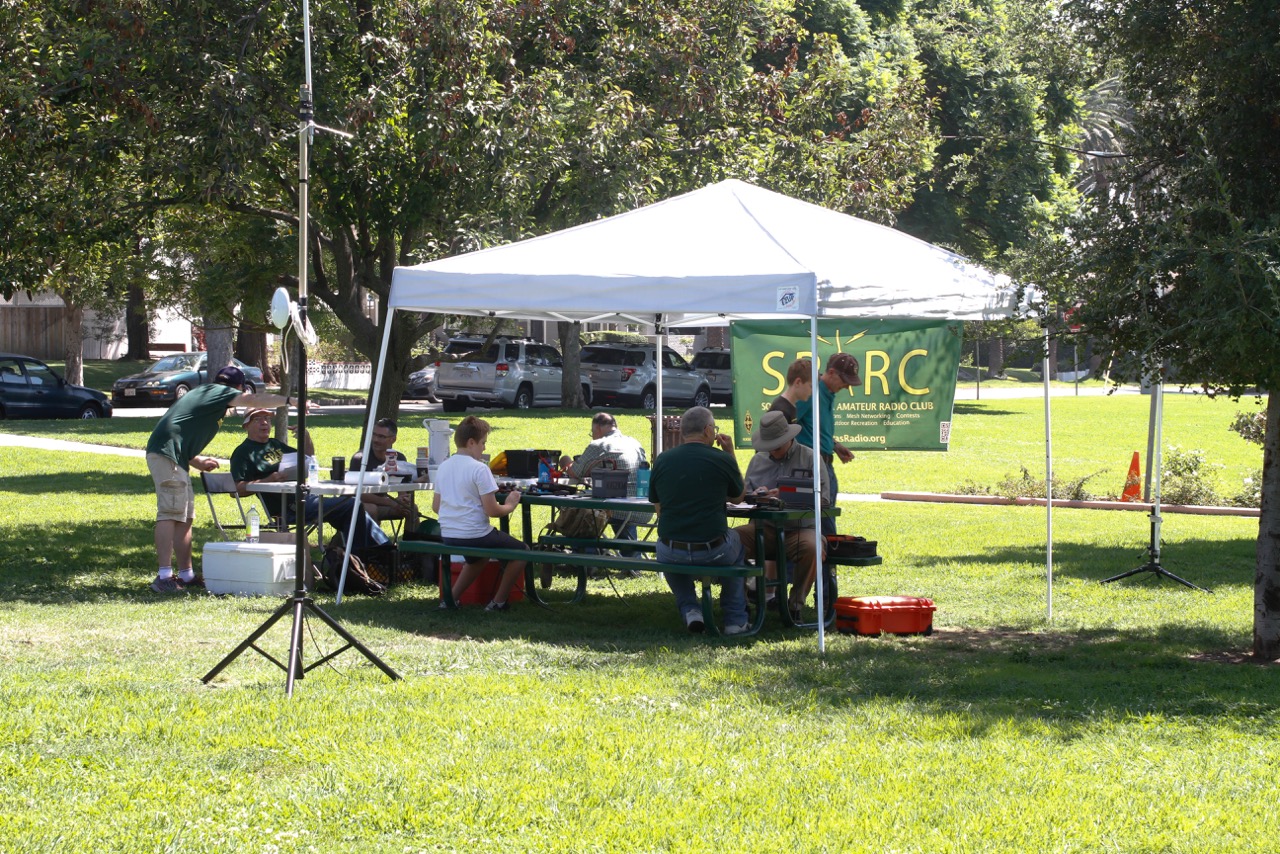
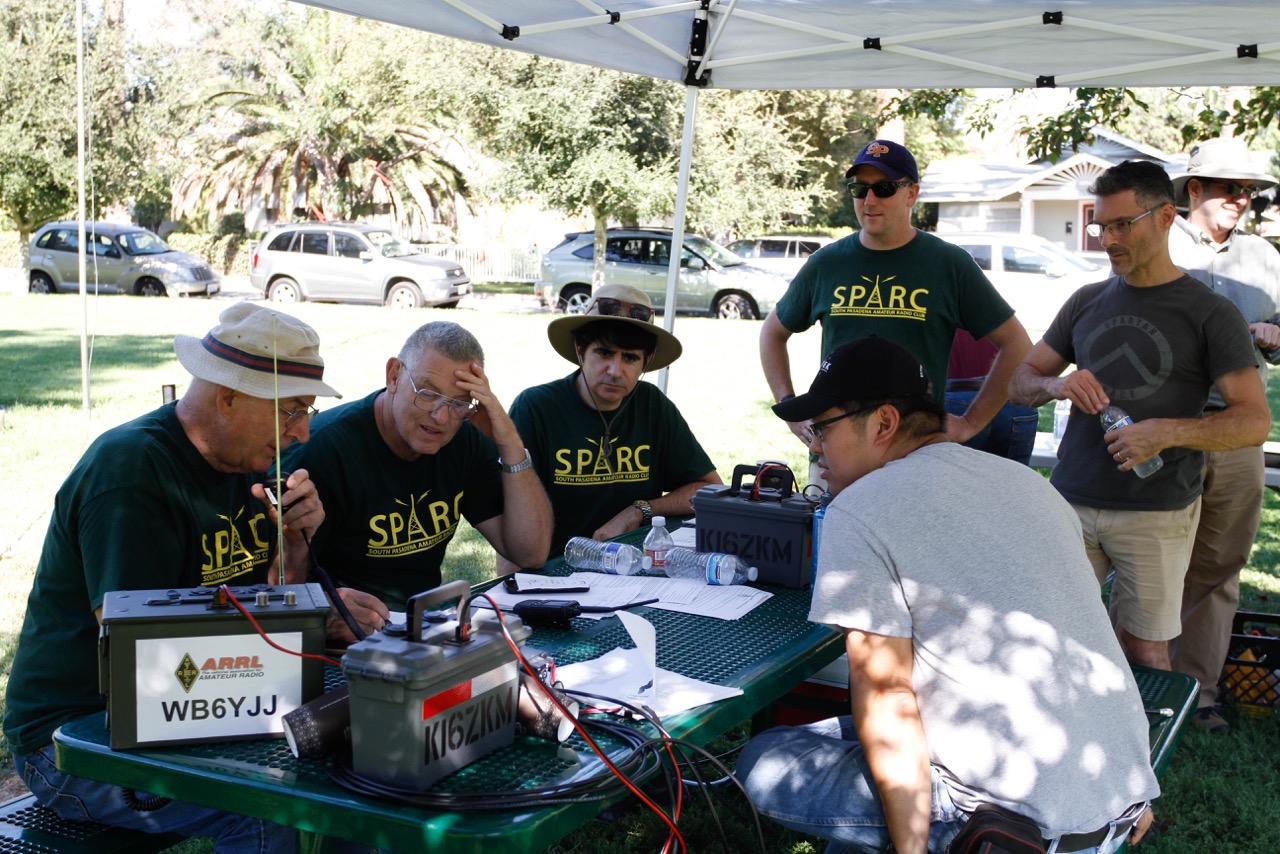
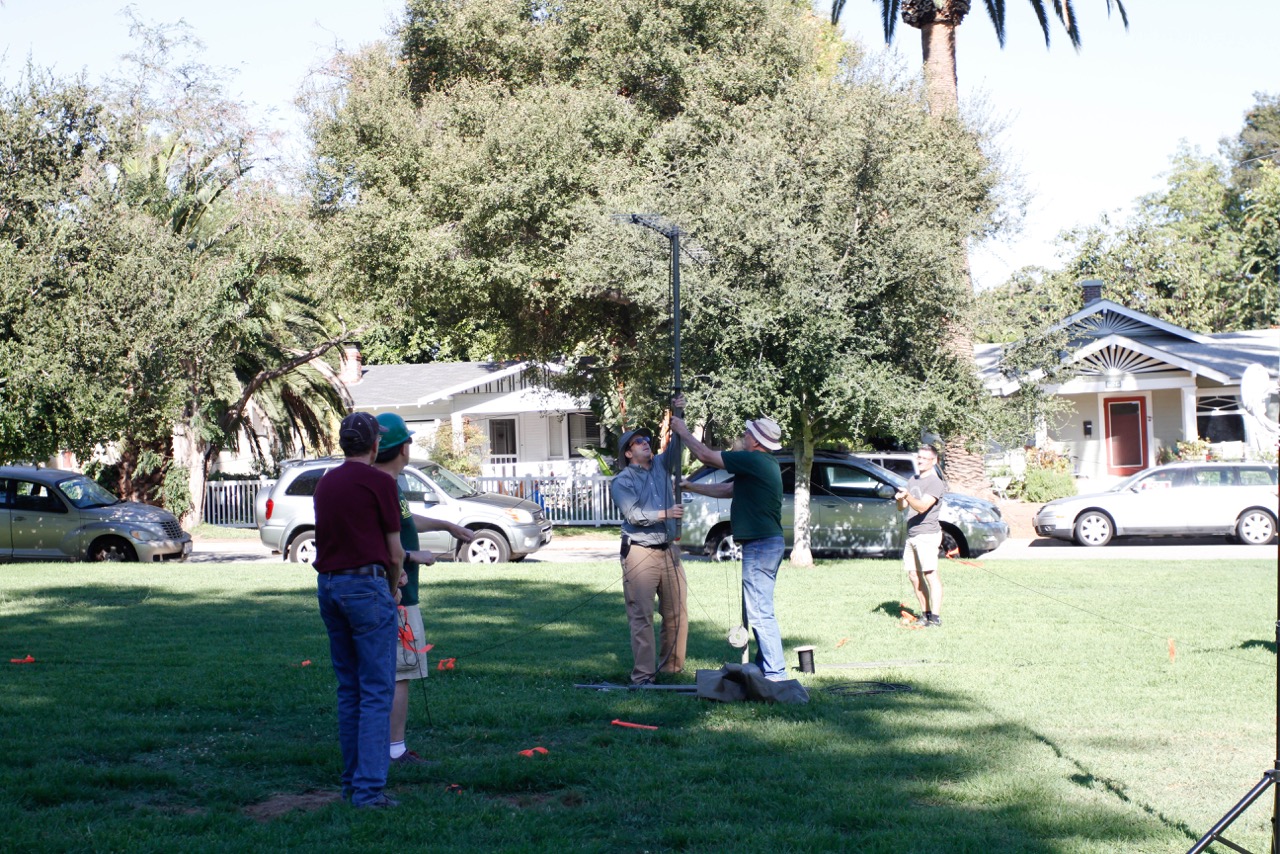
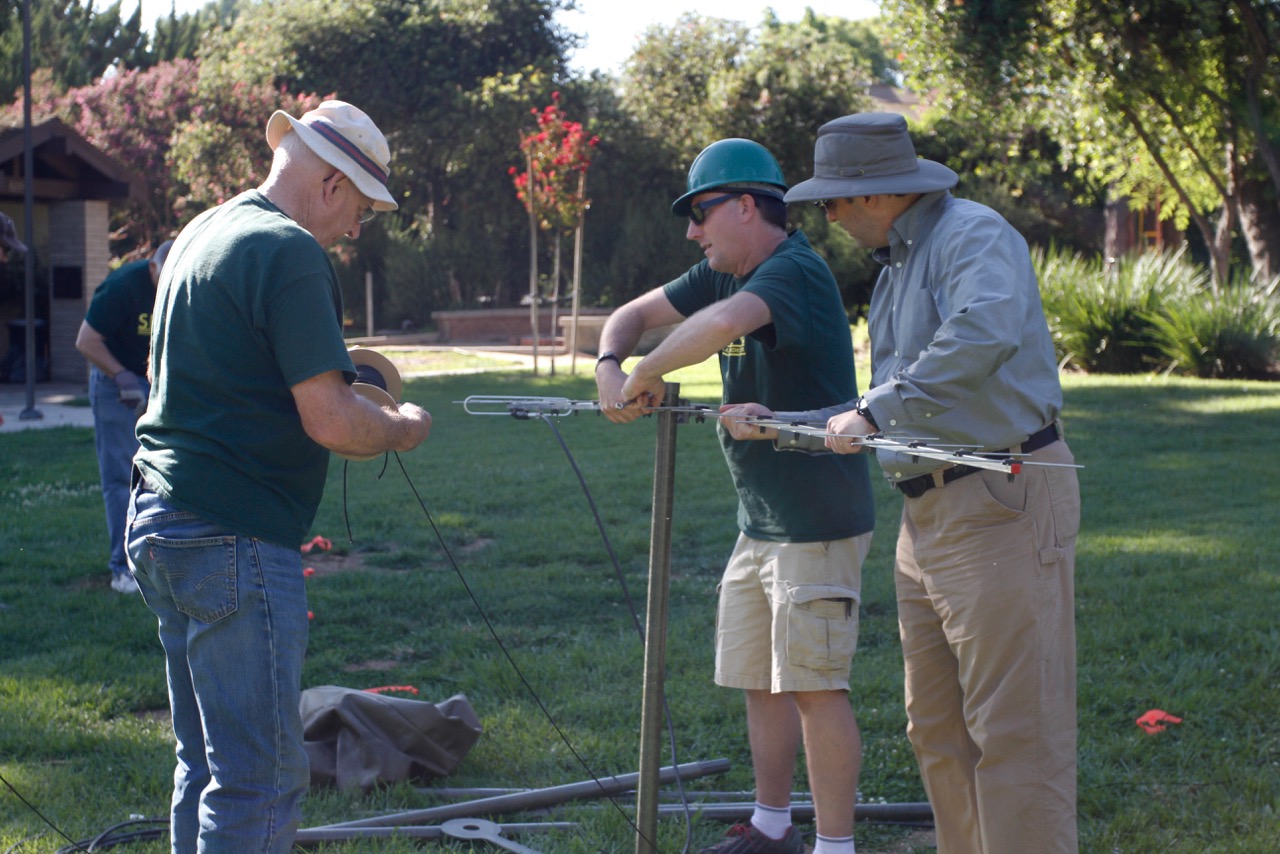
On September 8, SPARC set up two stations in Garfield Park to participate in the ARRL’s September VHF/UHF contest for a few hours. We made thirty contacts on FM and SSB and tested mesh nodes. Several members of the public stopped by — some who had prior ham experience and some who were just curious about all the wires. Thanks to everyone who helped with set up and clean up! Contests are a great opportunity to spend time operating and testing equipment, so don’t hesitate to stop by the next time we take part in one. Photos by Robert K6YZF.
At our past two monthly meetings, lucky SPARC members have gone home with a speical door prize: the Pixie 40m CW transceiver. The Pixie is a low-cost way to send and receive CW on the 40-meter band. “CW” and “Morse code” are often used interchangeably, but technically CW refers to the method of transmitting a radio signal (“continuous wave”), and Morse code is the series of audio tones being sent over that signal (the famous “dits” and “dahs” or dots and dashes).
CW is an effective way to communicate over long distances with low power, but today’s hams can spend years in the hobby and never use it. Since 1991 it’s been possible to earn an amateur radio license without passing a Morse code proficiency test. The FCC dropped Morse code requirements from all license classes in 2006. Having those Pixie transceivers around has spurred some club discussions about CW both in person and during our on-air nets.
On a recent net, Tim WA0PTC explained the procedure known as “zero beating.” Essentially, it is the process of making sure the sender and receiver of CW signals are both on the same frequency. The ARRL’s Doctor Is In podcast has an entire episode on zero beating.
If you’d like to learn Morse code and give CW a try, Mike Dinelli sells a book called The Art and Skill of Radio-Telegraphy, which some refer to as “the bible of Morse code.” There is both a free version and an updated edition available for purchse.
Communicating via Morse code may seem like a relic in the age of smartphones, but certain engineers at Google disagree. The company’s Gboard keyboard for mobile devices (available for both Android and iOS) has recently added a Morse code option. And in order to make learning Morse easier, they’ve released a game called Morse Typing Trainer. Google claims the game can teach you Morse code in under an hour. The addition of Morse to Gboard is an attempt to improve the accessibility of devices like phones and tablets.
To supplement the Typing Trainer game, Google released a poster with the game’s mnemonic images. Click on the version at the bottom of this post to download a printable PDF.
Updated11/18/21: Here’s a page from texting company Emissary.ai with context and history sent to us by Corrine Jackson.
Updated 09/20/18: In the September edition of the Pasadena Radio Club Bulletin, Paul Gordon N6LL lists a few other CW resources.
SPARC will have a booth once again at the annual South Pasadena Police and Fire Department Open House on Sunday, September 16. The open house runs from 10am to 3pm. We will be located in the courtyard behind the fire station. This fun and informative event runs in conjunction with the Cruz’n for Roses classic car show supporting the SouthPas Tournament of Roses float committee. Come meet SPARC members, see some radio gear, and learn about our activities. Hope to see you there!
SPARC will be participating in the annual ARRL September VHF Contest. We’re not looking to walk away with any giant trophies, the goal is to test our gear, get some practice operating, and have fun. All club members are invited to participate. Members of other local clubs, CERT, Neighborhood Watch, and the community are encouraged to visit and see what SPARC is all about.
When: Saturday, September 8th, 11am until 5pm Where: Garfield Park, South Pasadena — north end near the tennis courts
SPARC members who would like to help with the set up process can arrive at 9am.
Testing a mesh node in preparation for the September VHF contest.
We will set up two stations, 2m and 440. Feel free to bring your own gear for some show and tell. If you bring your own handheld or mobile and sufficent power (fully-charged battery, mobile go kit, etc.) you can connect to our antennas at a convenient moment. If you’d like to test your own antenna system, make sure to consider the safety of others and include any hardware required to set up in a stable and considerate manner.
There are a limited number of picnic benches near the Garfield Park tennis courts, so bring along a camp chair if you’d like to stay for a while.
If you can’t make it to the park, be a contact! Our talk-in frequency will be 145.600.
We hope to see you or log a contact with you on September 8.